Information from satellite technology is set to help farmers in the Makera wetland increase their agricultural productivity.
The formal collaboration between UGAMA Rwanda and Digital Earth Africa marks a strategic shift from traditional, resource-intensive in situ data collection to advanced Earth Observation (EO) technologies as highlited by Executive director of UGAMA on this May 15th
By combining UGAMA’s extensive community footprint in agricultural extension with Digital Earth Africa’s cloud-native big data capabilities, the partnership directly addresses climate-related challenges affecting Rwandan smallholder farmers.
A key milestone includes a dedicated capacity-building workshop that trained staff members to use DE Africa’s web-based maps and sandbox tools.
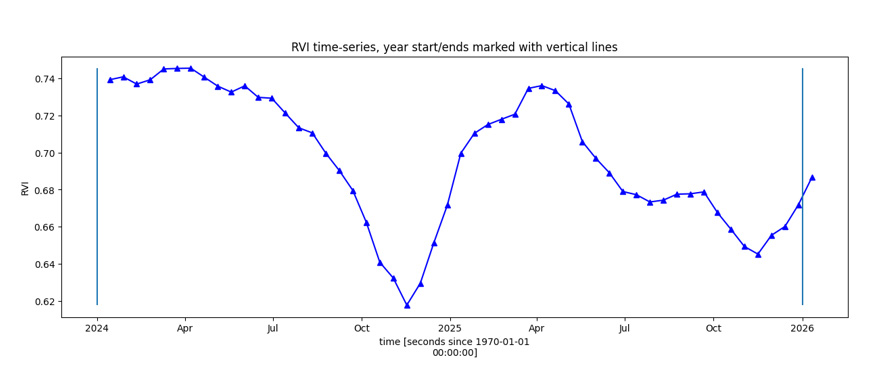
This specialized training also empowers team members to analyze surface water trends, monitor crop health, and track plant phenology specifically in Muhanga District, Southern Province of Rwanda.
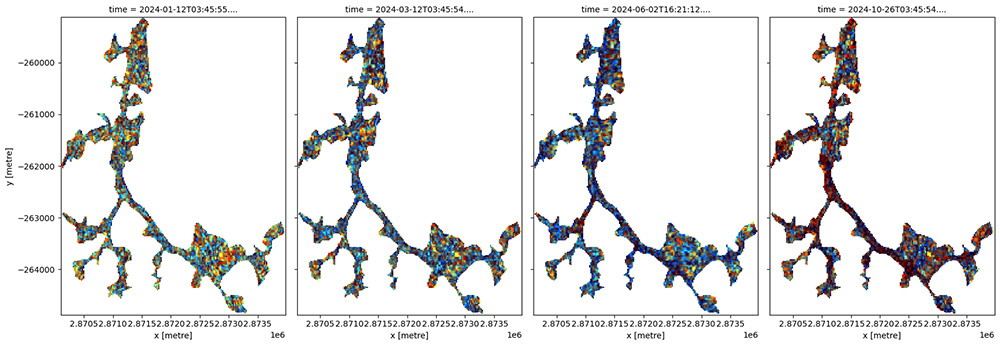
Currently, DE Africa and UGAMA are working on a use case on wetland crop monitoring in Makera wetland located in Muhanga District of the Southern Province,where In the Makera wetland, the primary support for food production via cooperatives is currently driven by the Sustainable Development and Humanitarian Action (SDHA) NGO, which collaborates closely with UGAMA on regional agricultural initiatives.
Recently, UGAMA supported the cooperative in wetland acquisition and management whereby over 1,600 smallholder farmers of the Iterambere ry’Abahinzi Borozi Ba Makera” (IABM) cooperative received 200 ha of marshland from the Government of Rwanda for sustainable agriculture.
Therefore, the use of emerging geospatial technologies like Digital Earth Africa platforms is key to informed climate-resilient agricultural practices.