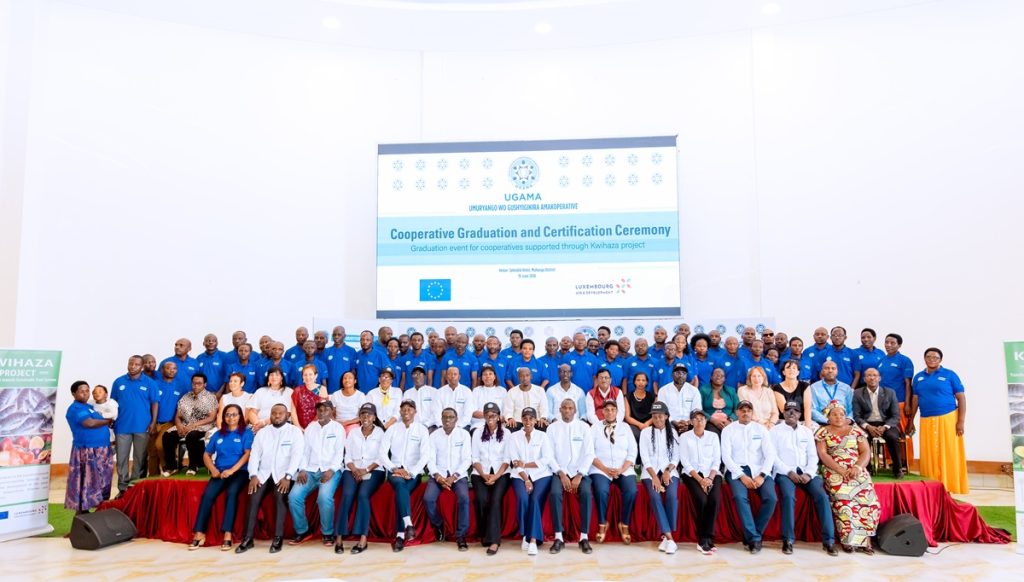
Muhanga: Through the KWIHAZA Project, 37 Cooperatives Awarded Grade A Certificates
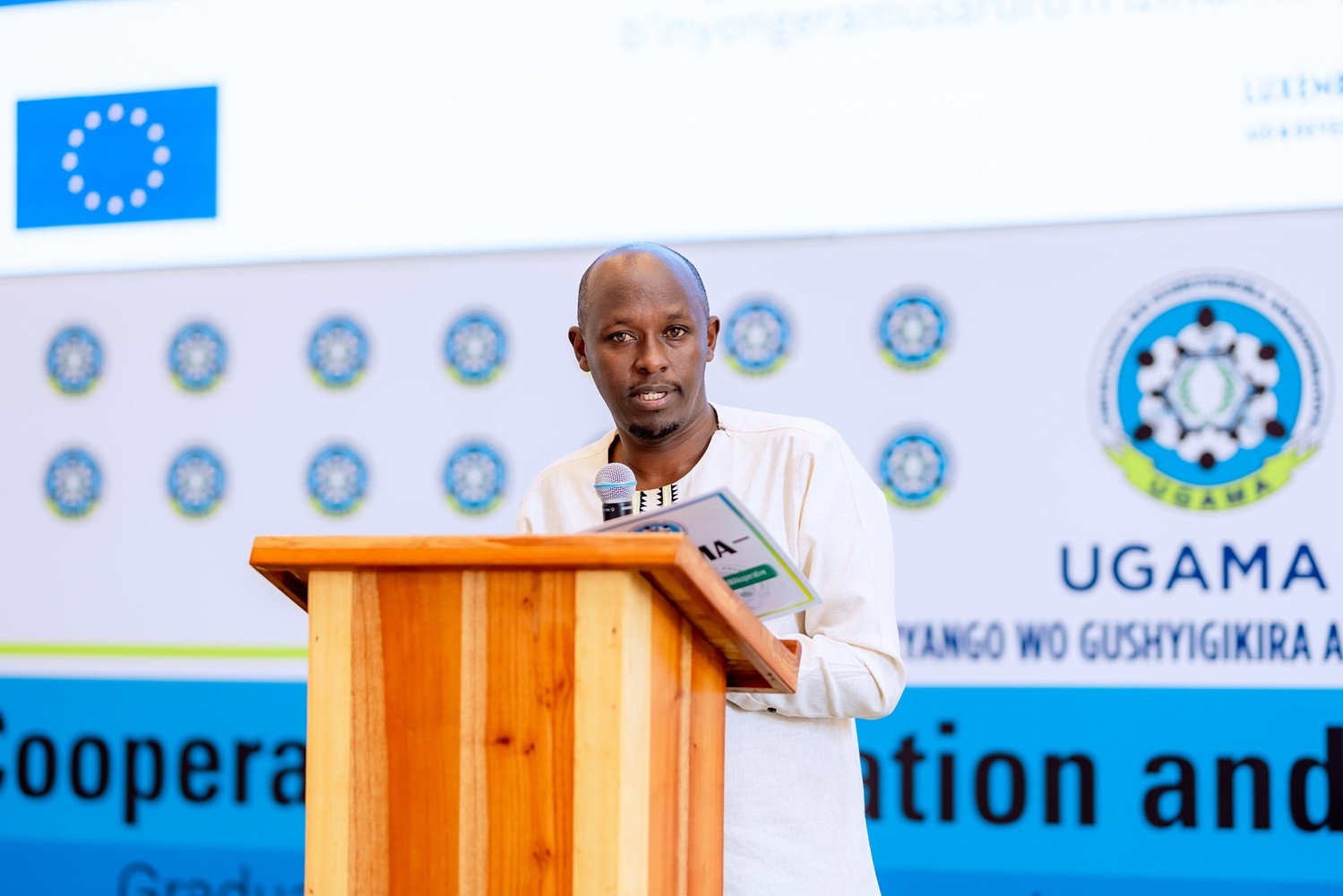
“The true meaning of KWIHAZA is achieving food self-sufficiency, knowledge self-reliance, and economic empowerment.”
These remarks were made by Eric Bizimana, Vice Mayor in charge of Economic Development in Muhanga District, on June 19, 2026, during a ceremony held to conclude a series of training sessions and award certificates to 37 cooperatives that outperformed the others among 60 cooperatives trained by UGAMA through the KWIHAZA Project where these 37 graduated into grade A other remain graduated in B and C. The training focused on strengthening their capacities in governance, financial management, market access, and improving services that facilitate access to financial institutions.
The training was delivered under the KWIHAZA Project, which aims to strengthen cooperatives engaged in fish farming and fisheries, as well as fruit and vegetable production, enabling them to improve governance, manage resources effectively, and enhance their economic development.
In his speech, Bizimana said:
“The true meaning of KWIHAZA is achieving food self-sufficiency while preventing the effects of malnutrition, attaining knowledge self-reliance, and achieving economic empowerment.”
He also praised the KWIHAZA Project and its partners for their contribution to the development of cooperatives, noting that capacity building is one of the key pillars that helps cooperatives grow stronger and become a foundation for the development of their members and the country as a whole.
Meanwhile, Innocent Ngoga, an RCA officer responsible for cooperative development, explained that the approach used by UGAMA to strengthen these cooperatives aligns with the standards and principles promoted by the Rwanda Cooperative Agency (RCA). He emphasized that no cooperative can achieve sustainable growth without being built on strong governance and management foundations, which were among the key areas covered in the training.
He said:
“Through the careful assessment conducted by those supporting these cooperatives, it was found that they do not have major financial management challenges. Even when resources are limited, they are managed effectively.”
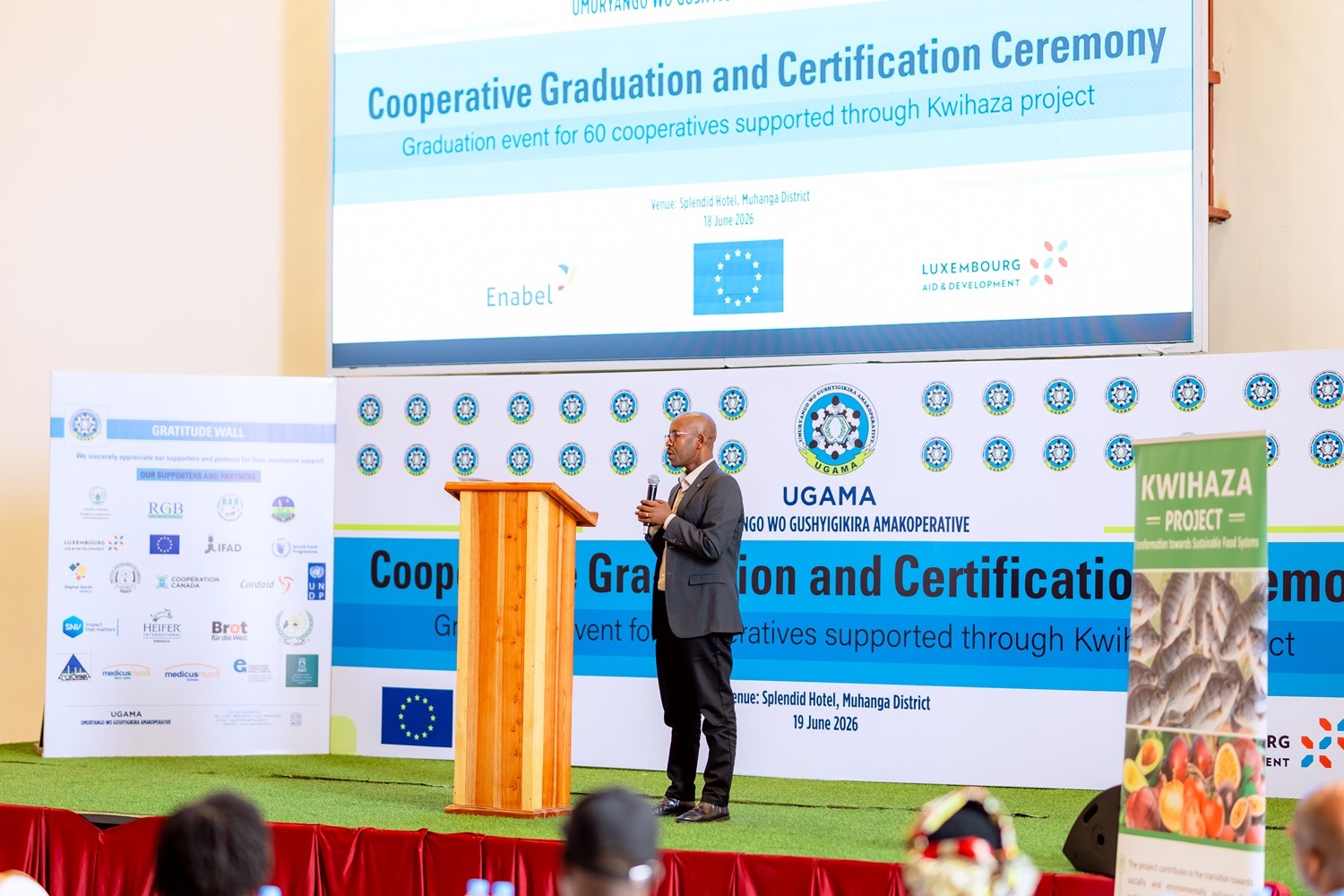
The RCA representative further noted that an assessment conducted on the cooperatives supported by UGAMA revealed that 37 out of the 60 cooperatives had reached a level of self-reliance, enabling them to operate effectively and provide sustainable services to their members.
On his part, Habanabashaka Malachie, Executive Director of UGAMA, told the media that the scores were awarded based on how well each cooperative applied the knowledge gained during the training, its governance and financial management performance, and its overall level of development. As a result, 37 cooperatives demonstrated significant progress and qualified for Grade A status, reflecting their advancement toward sustainable development.
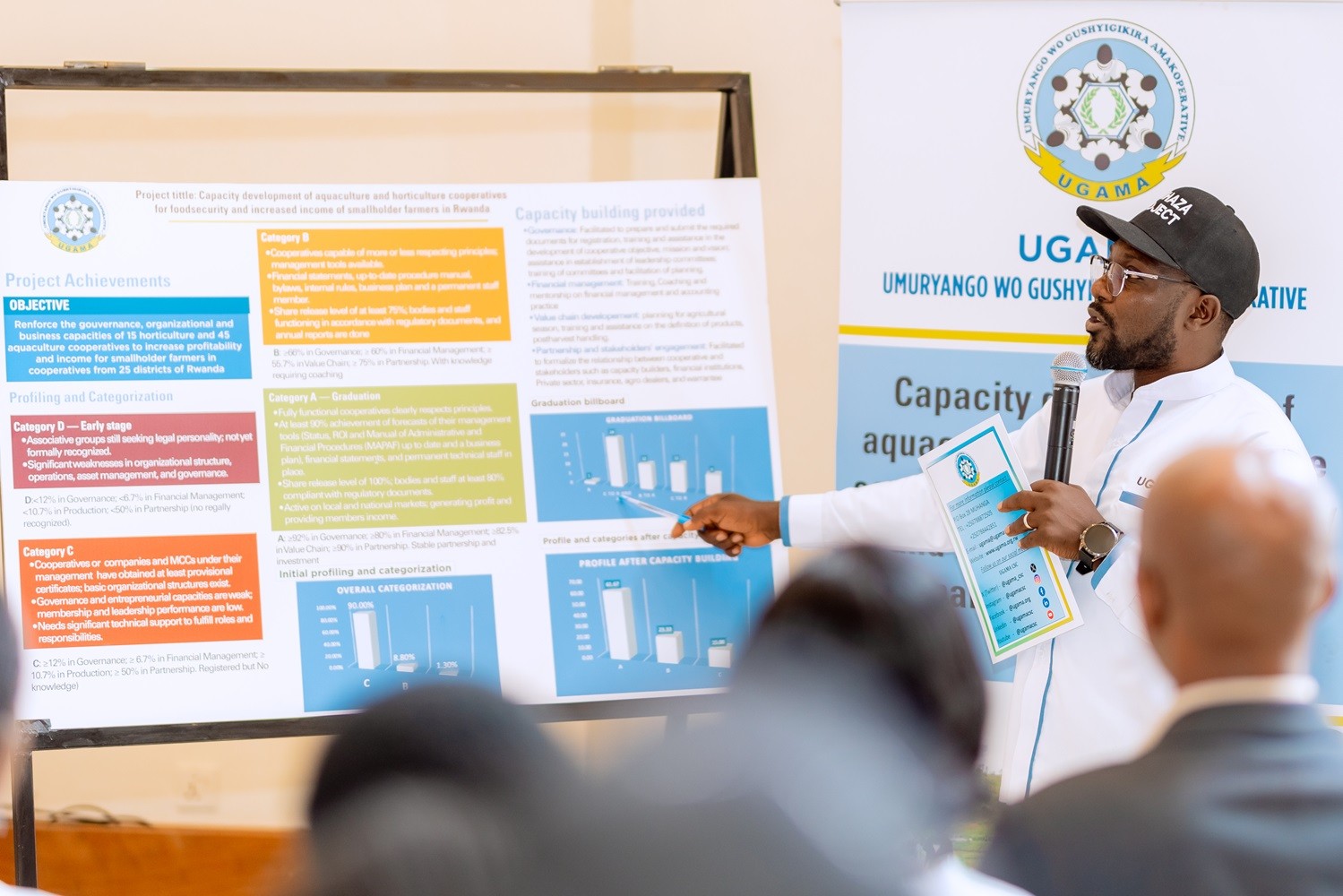
The certificate recipients stated that the training helped them improve the management of their cooperatives, operate with greater transparency, and strengthen their ability to develop projects capable of attracting grants or loans from financial institutions.
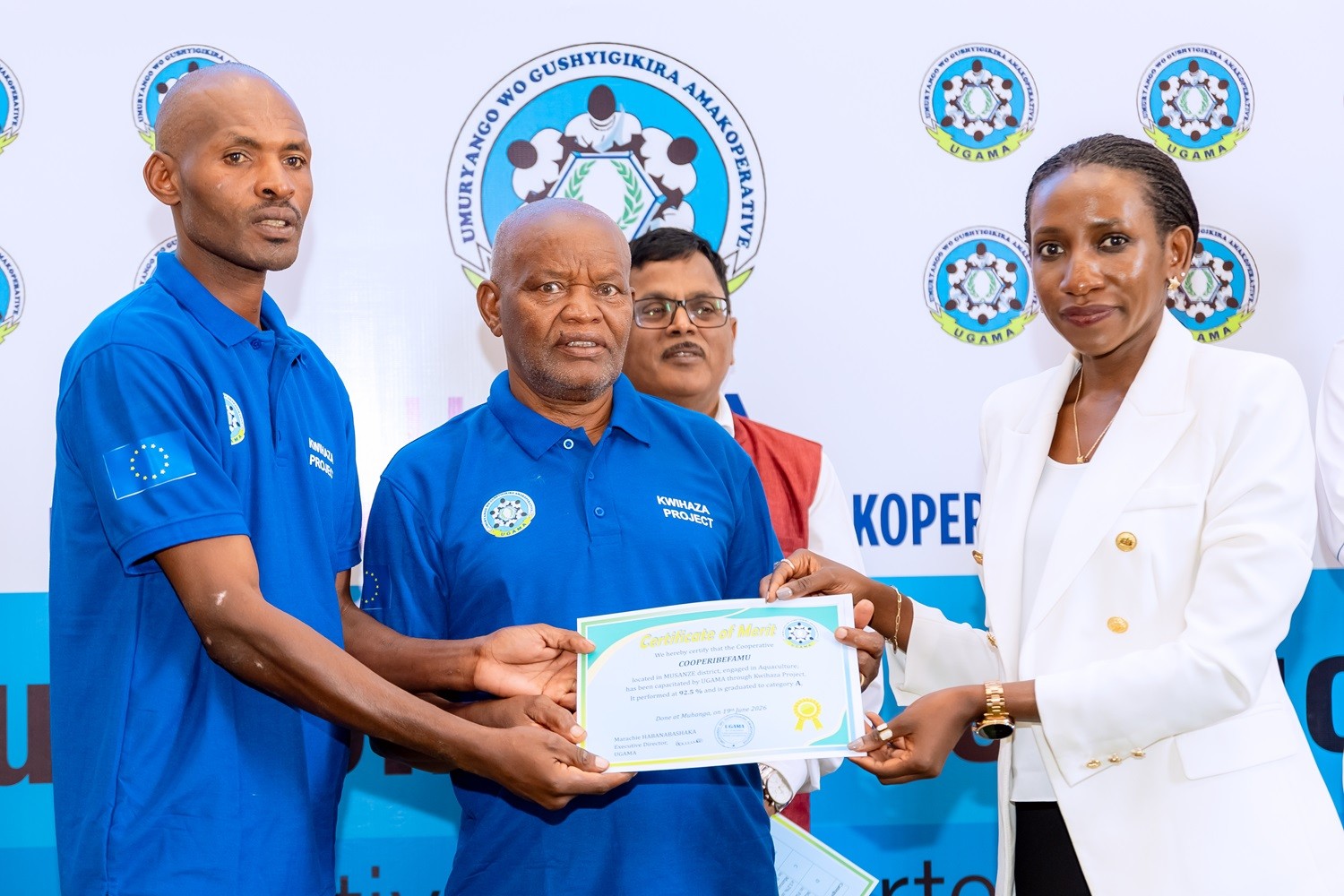
UGAMA noted that the certification ceremony was meant to recognize high-performing cooperatives and encourage them to continue applying the knowledge gained through the training.